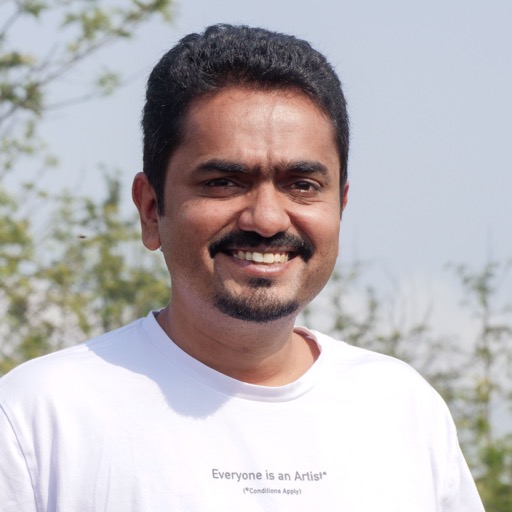
Arpan
15yCo-founder / Strategy
Designer-developer, nearly two decades building web products. Entrepreneur, conference speaker, and a long-running focus on accessibility, usability, and responsive UX.
We're the experienced design and engineering team behind apps used by tens of millions of people, and behind a multi-vertical SaaS platform we built and now run with paying clients across retail and travel. Same team, building products together for years. Thoughtful Robots is what we do now.
Most AI gets bolted on. We build it in — to the product, and the organization.
Designer-developer, nearly two decades building web products. Entrepreneur, conference speaker, and a long-running focus on accessibility, usability, and responsive UX.
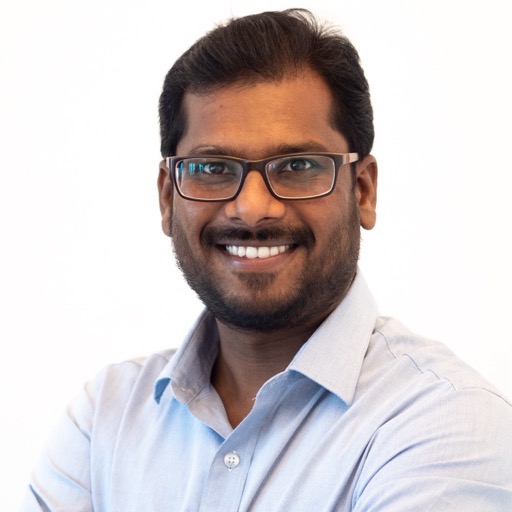
Programmer, 16+ years in software. Chooses technology for the business problem — not the fashion — and has delivered it across web and mobile.

Ten years of full-stack engineering with this team, from data models to interfaces.
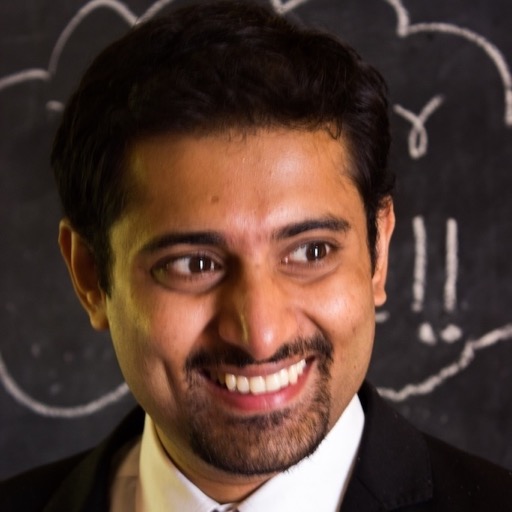
Fifteen years in strategy, now focused on where AI genuinely earns its place.
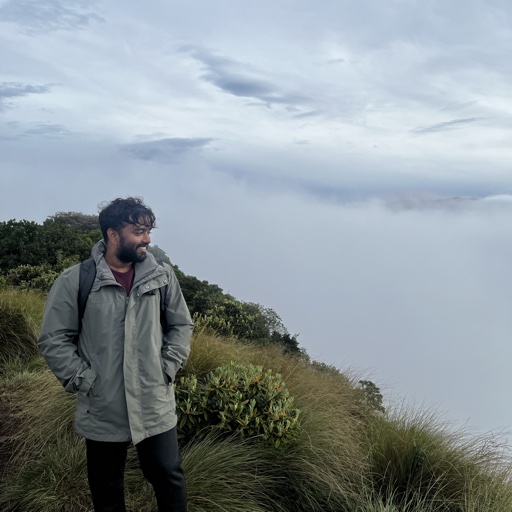
Frontend developer, crafting the interfaces our AI systems ship with.
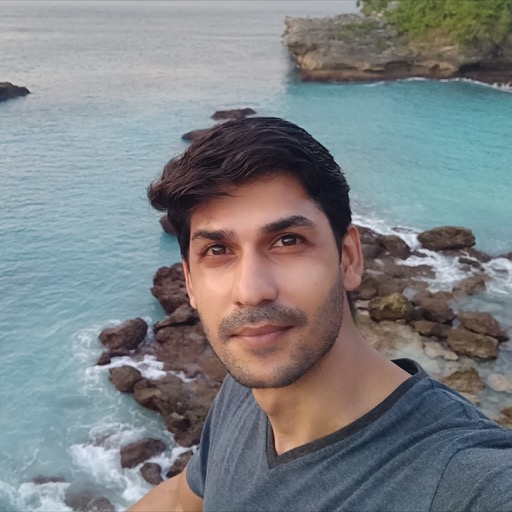
Lead designer, shaping how the work looks, feels, and holds together.
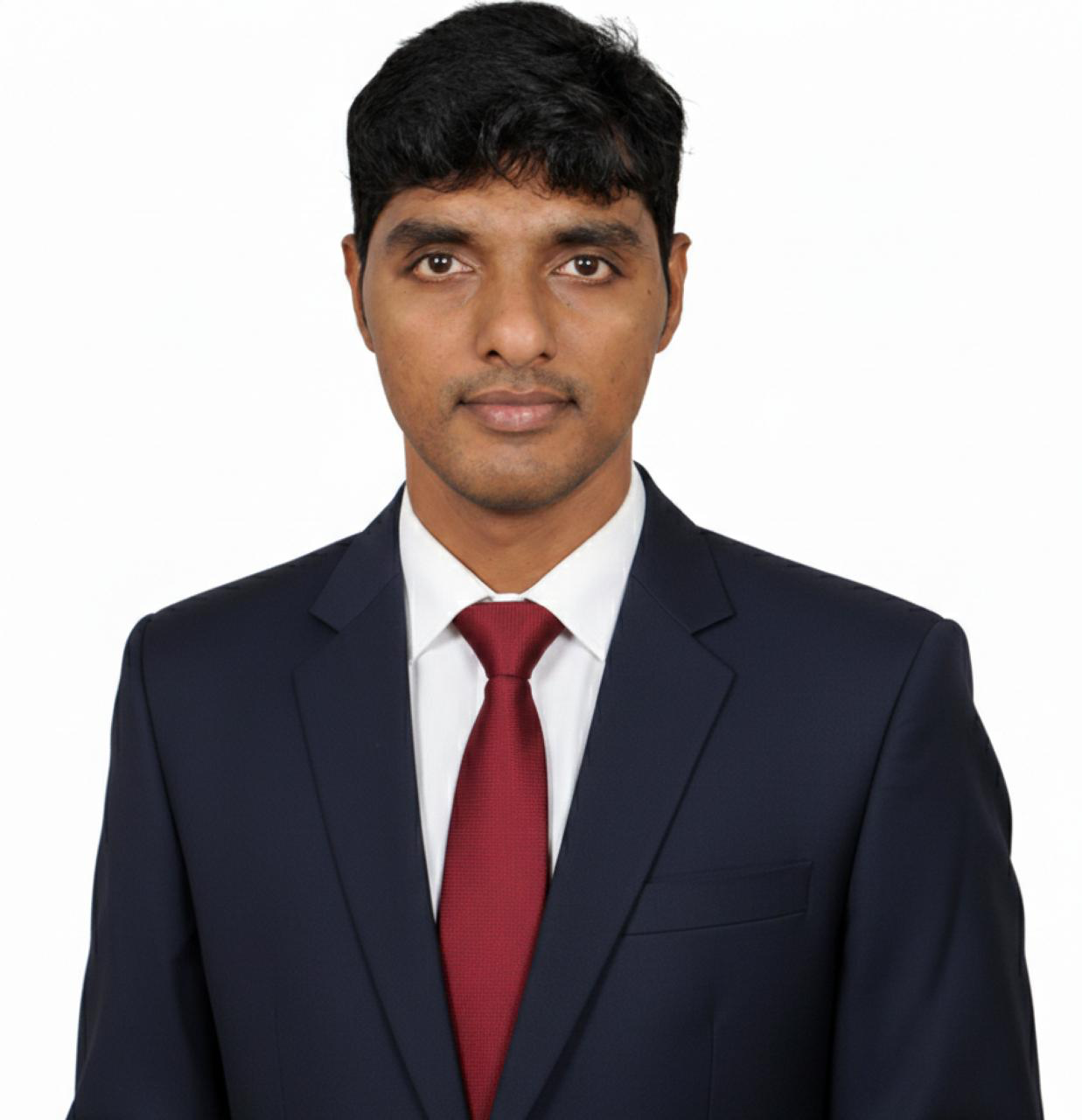
Marketing & Analytics Leader advising Thoughtful Robots on Transparent MMM.
The questions that make a product good haven't changed. What is the user trying to do? What does the data say? What breaks under load? AI is a powerful new way to answer them — and it belongs designed into the product from the start, not bolted on.
But a product alone doesn't transform a company. AI adoption has to make sense for the organization as a whole — how leadership sets strategy, how engineering and design build, how sales sells, how decisions get made. Tools and workflows aren't enough; the shape of the org is the work.
Sixteen years of building products taught us the first half. Watching them land inside real companies taught us the second.
Based in Hyderabad · Remote-ready team
Whether you are exploring an idea or improving a system already in use, we’ll help you decide what is worth doing next.
Questions before you book?
Read the FAQFollow along